

Key Takeaway
Technology personalization and more proactive stance where individuals are in charge of their emotional health is transforming mental health self care with tools that are more accessible, adaptable and evidence based than ever before.
Problem Statement
Advocating the Self Care of Mental Health in 2026

- Mental health issues are at an all time high with over 1 billion people affected globally.
- Depression and anxiety are the leading causes of disability.
- Traditional care access is limited due to workforce shortages and systemic barriers.
- In the US alone over 1 in 5 adults experience mental illness annually but only half receive care.
- Depression and anxiety cost the global economy over 1 trillion annually.
Key Finding
The demand for accessible effective and personalized mental health self care has never been higher, driving innovation and shift toward technology enabled proactive solutions.
What Is Mental Health Self Care in 2026?
Mental health self care 2026 includes practices tools and mindsets that help individuals maintain and improve emotional well being using advanced technology and personalized approaches.
Features
- Personalized: Tailored to individual preferences and risks
- Proactive: Focused on prevention early detection and resilience building
- Tech Enabled: Powered by AI digital therapeutics and immersive experiences
- Integrated: Complements professional care rather than replaces it
The World Health Organization defines self care as the ability to promote health prevent disease and cope with illness with or without healthcare provider support.
How It Works:
Future Ready Strategies and Innovations

AI Powered Apps AIG
- Personalized Monitoring: AI apps analyze voice text and biometric data to detect early distress and deliver customized interventions.
- Empathic Chatbots: Conversational agents like Woebot provide 24 7 support using cognitive behavioral frameworks reducing anxiety and depression.
- Wearable Integration: Smartwatches monitor physiological signals and provide real time feedback and self care reminders.
Virtual Reality VR Extended Reality XR Therapies
- Immersive Environments: VR platforms create controlled spaces for exposure therapy mindfulness and emotional regulation.
- Metaverse Clinics: XR enables real time remote interaction with therapists AI agents and peer communities.
- Adaptive Content: AI integrated VR adjusts experiences based on feedback and physiological data.
Individual Prevention Strategies
- Digital Phenotyping: AI uses speech wearables and social media data to create mental health profiles and predict risk.
- Just in Time Interventions: Apps deliver context sensitive coping strategies exactly when needed.
- Proactive Skills Training: Clinical hypnosis and nervous system regulation techniques provide quick measurable relief.
Advantages and Disadvantages: Rethinking the New Era of Self Care
| Approach/Technology | Pros | Cons |
| AI-Powered Apps & Wearables | Personalized, scalable, early detection, 24/7 support | Privacy concerns, potential algorithmic bias, digital literacy barriers |
| VR/XR Therapy | Immersive, engaging, effective for exposure/mindfulness | Cost, accessibility, risk of overdependence, need for high-quality research |
| Digital Therapeutics (DTx) | Evidence-based, self-guided, adaptive, scalable | Engagement challenges, need for human facilitation, transparency issues |
| Personalized/Preventive Approaches | Early intervention, tailored care, proactive resilience | Data integration complexity, need for robust validation |
Key Takeaway
Future ready self care tools provide unprecedented personalization and accessibility but raise questions about privacy equity and the need for ongoing human interaction.
Competitions: Traditional vs Future Ready Self Care
| Aspect | Traditional Self-Care | Future-Ready Self-Care 2026 |
| Delivery | In-person, scheduled sessions | Digital, on-demand, continuous |
| Personalization | Generalized | Highly individualized, data-driven |
| Accessibility | Limited by geography and workforce | Global, 24/7, device-enabled |
| Prevention | Often reactive | Proactive, early detection |
| Integration | Standalone or adjunct to therapy | Seamlessly integrated with daily life |
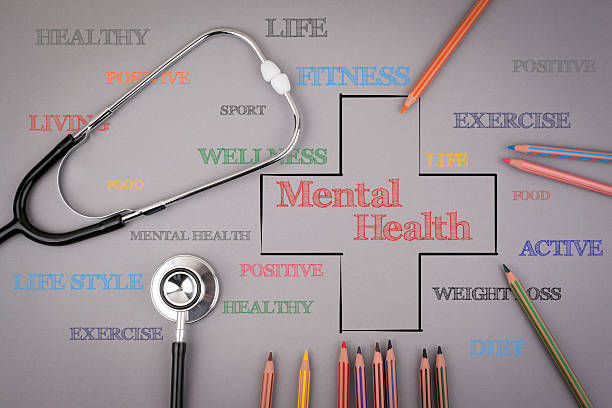
Mental Health Self Care Practices in 2026
How to Do It Successfully?
- Select Clinically Verified Tools: Choose apps and wearables with proven effectiveness and clear privacy policies.
- Balance Digital and Human Support: Use technology to complement not replace professional care and peer support.
- Focus on Individualization: Choose solutions tailored to personal needs preferences and cultural context.
- Know Your Data Privacy: Understand how your data is used and choose platforms with strong security.
- Practice Preventive Sessions: Incorporate mindfulness stress management and nervous system regulation daily.
FAQs
Q: Are AI powered mental health apps safe and effective?
A: Many show strong potential for early detection and symptom reduction but choose apps that are clinically validated and prioritize privacy.
Q: Does VR therapy substitute conventional therapy?
A: VR is a powerful complement for exposure and mindfulness but works best combined with human support and evidence based methods.
Q: How do I know if a digital tool is right for me?
A: Look for personalization features user reviews and recommendations from reputable mental health organizations.
Conclusion
The future of mental health self care 2026 is shaped by AI immersive technologies and personalized preventive strategies. These innovations promise more adaptive and effective care as long as ethical privacy and equity concerns are addressed. Staying informed and choosing evidence based user centered tools is essential to maximize the benefits of self care.