

Introduction
It is very crucial to manage money in your 20s and 30s. This is the period to establish your financial security in future. Smart decisions will make you escape trouble in the future. However, a lot of individuals commit errors that may damage their financial development. This paper will discuss what are some of the money mistakes to avoid in your 20s and 30s.
You will be taught some basic savings, spending and future planning techniques. Good money habits today will ensure that you lead a comfortable life when you become older. The guide is straightforward and can be helpful to all people.
Not Saving Early Enough
Among the major mistakes is failure to save money at an early age. You have time to grow your money when you begin to save when you are in your 20s. This is due to what is known as compound interest whereby your savings gain additional sums of money.
Delays in retiring will result in lost of this advantage. Even a small amount saved on regular basis can become huge amounts in future. Began to save some of your income monthly. The habit provides an emergency and future ambitions cushion. One of the best things to do is to save early.
Ignoring Budgeting
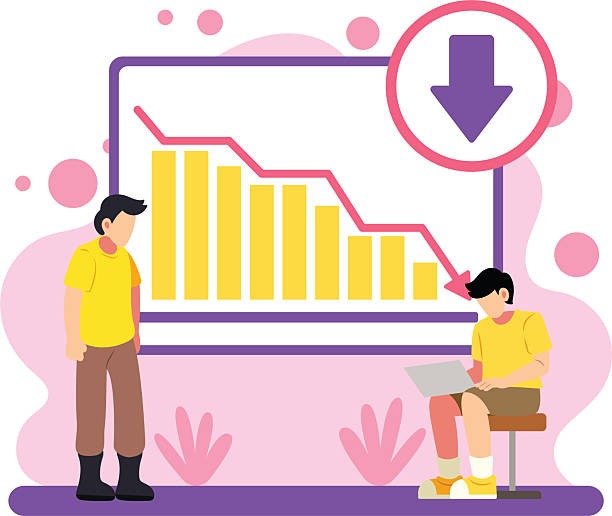
One of the money mistakes that should be avoided during your 20s and 30s is failure to make a budget. Budget assists you in being aware of what happens to your cash monthly. In its absence you can either make more than you can spend or lose money in unnecessary things.
Budgeting involves planning your finances to spend on bills, food, save and fun. It aids you in spending and escaping debts. Organize your money with the help of simple items such as apps or notebooks. A budget will keep you on the right track and will develop good money habits.
Use of too much credit cards
Using credit cards is also a big mistake as they can prove useful. Most young adults between 20s and 30s use credit cards in wants rather than necessities. This may be in the form of debt since credit cards are charged high interest when they are not paid punctually.
Debt will be avoided by using credit cards to make planned purchases and making full payments at the end of every month. Do not purchase things that you are not able to purchase now. Credit card responsibly use will assist in building good credit that is suitable in loans and future finances.
Failure to Establish an Emergency Fund
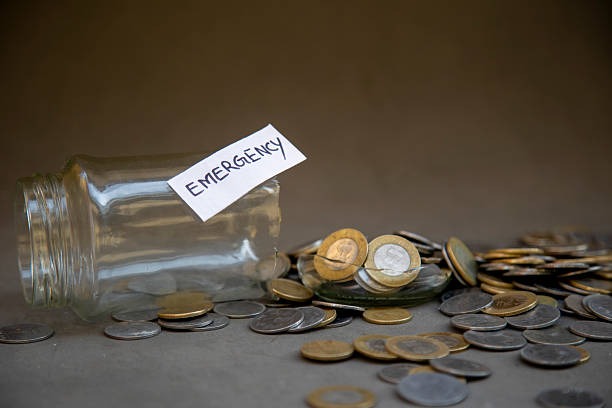
Emergency fund refers to the money kept aside to cover any unplanned occurrence such as health care expenses or unemployment. Lack of this fund is a dangerous financial error. In case of emergency, you will be able to borrow funds and get into debt without having savings.
In your emergency fund, attempt to save at least three or six months of living expenses. Hold this money in a saving and convenient account. Emergency fund is a way to relax and stay out of financial shocks.
Failure to save towards retirement
A lot of youths believe that they are still too young to retire and they do not save. This is wrong since it would make a difference to save early into retirement. The sooner the better you will save less money per month.
Make use of retirement plans such as pension schemes or provident funds. Even minimal donations made monthly increase with time. Early retirement planning implies that you can spend your old age without worrying about money. Wait not, save towards retirement.
Spending More Than You Earn
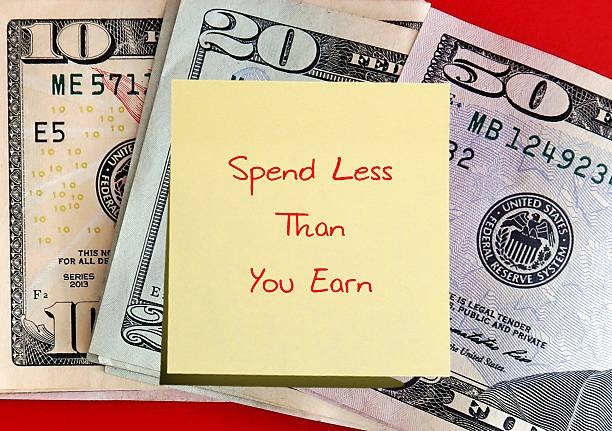
One of the worst mistakes in money is living beyond your means. Living above your income causes debts and stress. Loans, credit cards and EMI schemes are easy traps to fall into. Always use your income and save the rest.
Keep a record of your spending and prevent unnecessary spending. How to live less than you make to earn will enable you to save, invest, and accumulate wealth. Such a habit is the key to financial security in the long term.
Avoiding Investments
One of the mistakes is not investing money or waiting too long to invest. Saving all your money in the savings accounts might be a safe idea but it will not build your wealth to the extent. Better returns can be achieved through stock investment, mutual fund investment, or bond investment.
It is always good to start small and get to know more about the various types of investment. Investments will make your money increase more quickly and combat inflation. By not investing, one is forfeiting the opportunities to create a larger financial future.
Not taking Financial Education into consideration
Money management is not taught to many and this brings about poor decisions. Financial education is one of the mistakes. Knowledge of saving, investing, taxes, and budgeting can make you make smart decisions.
You are able to read books, watch videos or participate in workshops. Knowing the comparison of money prevents frauds and debts. Continue learning about finances so that you can have a safe future.
Not Having Financial Goals
In the absence of goals, it is hard to manage money. Failure to set financial goals is a common mistake by the young people. Goals provide your saving and spending. Goals can be used to plan your money whether you plan to buy a house, start a business or even travel.
List out your immediate and long term objectives. Examine and revise them on a regular basis. Goals make you active and aim at wealth creation.
Common Money Mistakes and How to Avoid Them
| Money Mistake | How to Avoid It |
| Not saving early | Start saving small amounts regularly |
| Ignoring budgeting | Create and follow a monthly budget |
| Overusing credit cards | Use credit cards wisely, pay full bill |
| No emergency fund | Save 3-6 months of expenses |
| Neglecting retirement | Start retirement savings early |
| Spending more than income | Live within your means |
| Avoiding investments | Learn and start investing |
| Ignoring financial education | Read and learn about money |
| No financial goals | Set clear, written money goals |
Failure to plan the debt repayment
Debt may end up being a huge burden when not well handled. Failure to plan on how to repay the loans or credit card debt is a grave error. Never have any idea of how much you owe and prepare a schedule to pay it. Pay priority to high interest debts. Never borrow new loans when you are unable to pay the old ones. Proper use of debt helps you increase your credit score and can help you decrease stress.
Forgetting Insurance
Insurance assists you in saving huge financial problems. Failure to purchase health, life or asset insurance may lead to financial difficulties in times of emergency. Insurance is used to cover medical expenses, accidents or property damage. Select the insurance programs that suit you. Insurance is having a back up to your wallet and family.
Summary
It is a way of saving you a safe future to avoid money mistakes during your 20s and 30s. Saving early, budgeting, and credit card usage is the way to go. Establish a rainy fund and retire. Earn more and spend less and invest smart.
Money: Learn more about it and be specific. Debt Manage and insure yourself. These are very easy steps to become even richer and escape the money pressure. Start today to make a good money tomorrow.
How to Never Make Money Mistakes in Your 20s and 30s: FAQ.
Q1: What is the reason why you should not commit money errors when you are between 20s and 30s?
Learning not to make money mistakes at an early age will lead one to create a sound financial base over a secure future and will lead to less stress in the later years of life.
Q2: What is the amount I should save out of my income every month?
Plan to save a minimum of 20 percent of your monthly income though even small frequent savings can increase over time.
Q3: Is it bad to use credit cards?
These credit cards are useful when used in moderation. Make monthly payments on your entire balance and do not spend more than you can pay back.
Q4: What is an emergency fund and what is its size?
Emergency fund consists of money that is saved to use in case of unplanned incidents. Target of 3 to 6 months of housing costs.
Q5: When is it time to save on retirement?
Begin saving towards retirement as soon as you can and preferably when you are still in your 20s to enjoy the compound effect.